Office Clearance in Wood Green
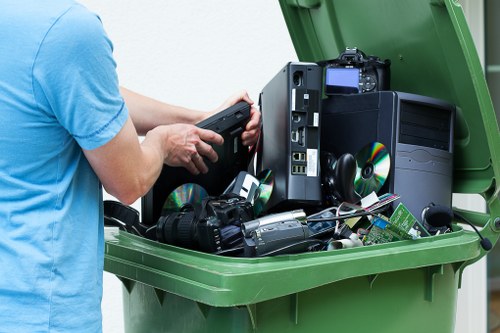
Office clearance in Wood Green needs to be organised, discreet and practical, especially when desks, filing systems, monitors and mixed business waste all need handling within a sensible timescale. We provide a structured clearance service for workplaces that want usable items separated from general rubbish, with attention given to access, sorting and the orderly removal of office contents. Whether you are reducing surplus furniture, clearing a suite after relocation or preparing a commercial unit for handover, the aim is to leave the space ready for its next stage.
Our approach is shaped around the items that commonly appear in offices: workstations, chairs, storage units, IT peripherals, boxed paperwork, reception furniture and miscellaneous equipment. We also work carefully around corridors, lifts, loading points and shared buildings where access matters. If you need office clearance organised with a clear plan, the service is designed to support straightforward removals without turning the process into a disruption for the rest of the day.
For businesses comparing options, it can help to think in terms of what must leave, what can be reused, and what should be separated for responsible disposal. That may include furniture that is still serviceable, older items that have reached the end of their life, and contents that require a tidy, methodical approach. Clear sorting at the outset can make the whole job simpler, and it also supports better decisions about what is worth keeping.
Planning a clear and efficient office clearance
A well-planned office clearance usually starts with a simple review of the rooms, cupboards and storage areas involved. This helps define the scope of work and makes it easier to separate furniture, stationery, archive boxes and electrical items. In many cases, offices contain a mixture of ordinary items and heavier pieces that need careful movement, so the work is better approached as a structured task rather than a single lift-and-load job. The aim is to reduce confusion on the day and keep the removal sequence logical.
If your premises include shared access or limited parking, that needs to be considered early. A measured clearance plan can account for stairways, tight corners, lift use and the safest route from the office to the vehicle. Pricing and quotes are easier to discuss once the likely volume and type of items are understood, because the shape of the job often matters as much as the size. Good planning is not about making the process complicated; it is about removing uncertainty before the clearance begins.
Useful information to prepare includes the rooms involved, any bulky items, and whether there are contents that need to stay on site. A short list is often enough to start:
- reception furniture and desks
- filing cabinets, shelves and storage units
- IT equipment and small office electronics
- boxed files, archive material and mixed office waste
Furniture, desks and storage units
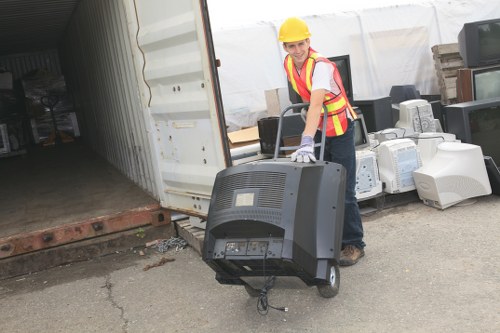
Many office clearances are driven by the need to remove old furniture in a careful, controlled way. Desks, chairs, pedestals, cupboards and shelving units can take up significant floor space, and they often need dismantling or carrying through narrow routes. We handle the removal of office furniture with practical attention to layout, lifting points and the finish of surrounding areas, so that walls, doors and shared surfaces are not unnecessarily marked during the work.
Some clients want every item removed, while others need only selected pieces taken away after a refit, relocation or layout change. That makes it important to distinguish between general clearance and targeted removal. Our furniture handling can support the clearance of individual rooms, entire floors or a collection of surplus items stored after an office redesign. For customers who also need household-style items removed from a mixed property, furniture clearance may be useful alongside the main office service.
We can also deal with items that are awkward because of weight or shape rather than quantity. Filing cabinets, meeting tables and reception pieces often need more than a simple carry-out. The practical question is not only where the items will go, but how they will be moved safely from their current position to the loading point. That is where an organised clearance can save time and reduce unnecessary handling.
IT equipment, paperwork and mixed contents
Office spaces rarely contain furniture alone. They often include monitors, printers, small appliances, archive boxes, shelves of paperwork and miscellaneous stationery that no longer serves a purpose. These items can be dealt with as part of a wider office clearance, but they benefit from being separated sensibly. Equipment may need to be kept apart from standard office waste, and confidential paperwork should be handled in a way that respects your internal procedures for document removal and storage.
Because offices can contain a wide mixture of contents, the best results usually come from sorting categories rather than treating everything as a single pile. This applies whether the project involves a compact suite, a multi-room floor or a larger commercial unit. For businesses that need a broader building tidy-up after changing use or closing a site, home clearance and other property-clearance pages may help to identify the differences between domestic and commercial arrangements, while the core office work remains focused on workplace contents.
Practical sorting also makes it easier to decide what should be removed first. IT items, office furniture and general rubbish may move through the space at different speeds, and some objects may need extra care because of cables, components or fragile surfaces. Where possible, keep a little room around the items that are definitely going so the clearance can progress in a tidy sequence rather than a rushed one.
Making access straightforward on the day
Access is often one of the most important parts of an office clearance, even when the job itself is fairly small. Corridors, lifts, stairwells and loading points all affect how quickly items can be moved and how much care is needed. A clearance that seems simple on paper can become less efficient if furniture must be carried long distances, passed through narrow openings or moved around other occupiers in a shared building. Good preparation keeps those points manageable.
It is helpful to know whether the office is on one level, split across several rooms or part of a larger building with shared entry points. That information helps the clearance be arranged with a realistic sequence. If the project includes a move-on from one site to another, the same principles apply: decide what is leaving, what is staying and what requires extra care during transport. Contact us when you want to discuss the practical details and set out what needs removing.
In some offices, the biggest time factor is not the quantity of items but the route out of the building. Items that are straightforward to lift from a ground-floor room may take longer if they have to be manoeuvred through a reception, around service areas or down several flights of stairs. A careful office clearance takes those realities seriously, which is why a measured approach is often more efficient than trying to rush the removal.
Office clearance for refits, relocations and closures
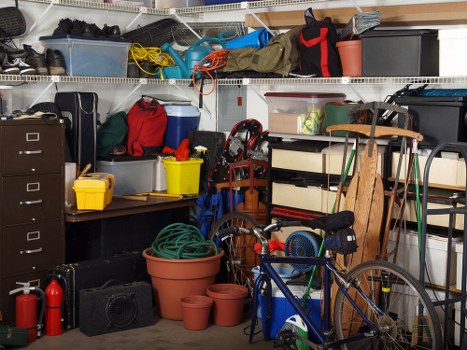
Different projects call for different levels of clearance, and office work is rarely identical from one site to the next. A refit may only require selected furniture, surplus equipment and old storage to be removed. A relocation may involve stripping out everything that will not travel to the new premises. A closure may call for a fuller clearance of rooms, cupboards and back-office areas so the site can be handed over in a tidy condition. Each situation benefits from a clear conversation about the scope before work starts.
Where a business is changing layout rather than leaving the building entirely, it often makes sense to separate reusable items from obsolete ones. That can include desks in one area, filing in another, and mixed contents that do not belong in the new arrangement. For larger or more complex jobs, business waste removal can be a useful related service when the office clearance extends beyond furniture into general commercial waste that also needs taking away.
We keep the emphasis on practical outcomes: a clearer room, less clutter and a better-organised space for whatever comes next. The exact combination of items removed depends on the site, but the process should still feel orderly. If you are planning several work areas at once, it can help to prioritise the rooms that must be emptied first and then work through the rest in a sequence that matches your schedule.
What affects the cost of an office clearance
Office clearance pricing usually depends on several practical factors rather than a single measure. The volume of items matters, but so does the type of content, the amount of carrying involved and whether the clearance requires special sorting or dismantling. A small office with a few bulky pieces can be more involved than a larger room of lighter items, so it is sensible to look at the job as a whole instead of focusing only on square footage.
Other details can also influence the final quotation. Access conditions, parking, loading distance, floor level and the presence of mixed materials all shape the work. If some items are being kept on site while others are removed, that separation needs to be built into the plan. For a clearer idea of the commercial choices available, office clearance information can be paired with a conversation about what is actually in the premises, rather than trying to estimate from guesswork alone.
When you request a quotation, it helps to mention whether the clearance is partial or full, whether furniture must be dismantled, and whether there are any specific items that need extra attention. Useful detail makes it easier to set expectations properly and can reduce the chance of revisiting the scope later. That is usually better for both the customer and the schedule.
About Wood Green
Wood Green is a well-known district in the London Borough of Haringey, in North London, with a long-established role as a local shopping and transport centre. The area is closely associated with the A105 corridor and with Wood Green Underground station on the Piccadilly line, which helped shape its growth as a busy urban centre. Much of the district’s commercial character is concentrated around Wood Green High Road, a main thoroughfare lined with shops, services and mixed-use buildings that reflect the area’s working character. The name also appears in several nearby place references, including Wood Green Common and local residential streets that spread away from the core shopping area.
The district sits within a wider part of North London that combines late Victorian and later twentieth-century development. Some streets contain terraces and older domestic buildings, while the central commercial streets include retail parades, civic premises and buildings adapted for modern use. About us is not the focus here; instead, the area itself is notable for its practical mix of transport access, everyday shopping and community facilities. Cultural life in and around Wood Green is helped by venues, libraries, leisure facilities and parks across the borough, with nearby green spaces offering a contrast to the denser town-centre streets. The combination of civic services, retail frontage and residential neighbourhoods gives the district a varied urban feel rather than a single-purpose commercial identity.
Wood Green also has a recognisable place in local memory because it has long served people from a broader catchment than its immediate streets. The district is one of those London locations where high street activity, public transport and housing sit close together, and that layered pattern is part of what makes it distinctive. As a place name, Wood Green carries both the energy of a busy commercial strip and the everyday life of surrounding neighbourhoods, which is why it remains a familiar reference point within Haringey and beyond.
Clearance for storage rooms, archives and back-office areas

Not every office clearance is about the main work area. Storage rooms, archive spaces and back-office cupboards can build up over time, leaving staff with boxes, old stationery, unused equipment and records that no longer need to take up valuable room. Clearing those areas can be just as important as emptying the desks, especially when the goal is to create a more workable space or prepare for a new layout. A focused clearance of hidden rooms often reveals more usable floor area than expected.
Where items are stored away from day-to-day circulation, there is usually a stronger need for orderly sorting before removal. That may involve grouping archive boxes, separating reusable office items and identifying old furniture that has drifted into storage. Loft clearance is a useful comparison where stored contents have accumulated in less accessible places, because the same principle applies: hidden spaces tend to collect mixed items that are easier to manage when handled in a deliberate sequence.
Responsible disposal and recycling choices
Office clearance should not end once the items are out of the building. A sensible next step is deciding what can be reused, what should be recycled and what must be disposed of through the appropriate route. Furniture may be suitable for reuse in some cases, while mixed office waste, broken fixtures and worn-out components often need different handling. The aim is to reduce avoidable waste while keeping the process practical for the customer.
Businesses sometimes ask how a clearance handles mixed materials such as metal, wood, plastics and small electrical items. The answer depends on the exact contents, but a careful approach is to separate material groups where possible and avoid treating everything as one generic load. If your project involves disposal as well as removal, recycling and sustainability information can support that decision-making, especially where you want to understand how items may be directed after collection.
Responsible handling is not an abstract extra; it is part of a well-run service. Customers usually want the office cleared efficiently, but they also want the process to feel orderly and sensible. That means keeping an eye on what can be diverted from the general waste stream and making sure the job is finished with the same care that it began with.
Requesting a quotation for office clearance in Wood Green

When you are ready to request a quotation, it helps to describe the rooms involved, the main categories of items and any access points that may affect the job. A concise summary is often enough to start a sensible conversation, particularly if the clearance includes desks, chairs, storage units, IT equipment or mixed contents. If the project is tied to a move, a refit or a closure, mention that too so the scope can be understood in context.
For some businesses, a partial clearance is enough; for others, the requirement is broader and includes furniture, waste and stored items that have built up over time. Either way, the best quotation is based on the actual work needed rather than a rough assumption. Pricing and quotes can then be discussed in a way that reflects the size of the task, the layout of the office and the practical details that shape the removal.
If you would like to move forward, ask for a quotation and outline what needs to be cleared. You can keep it simple: what stays, what goes and when the space needs to be available. That gives us a practical starting point and helps turn the office clearance into a clear, manageable job.